







Search Results for: Caribbean Coffee Region
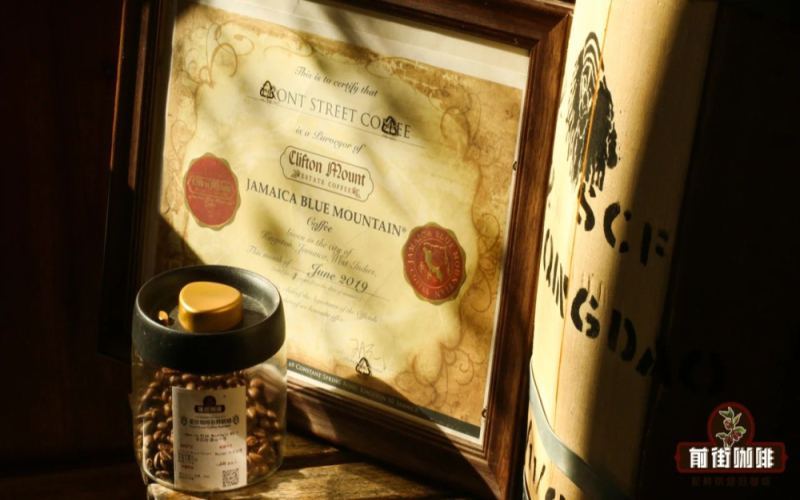
Caribbean Three-Origin Coffee Tasting Guide: Flavor Comparison of Jamaican Blue Mountain, Puerto Rican Yauco, and Dominican Coffee
The Caribbean region has given birth to some of the world's finest coffees. Among them, Jamaica Blue Mountain stands out as the crème de la crème, thanks to its mild flavor and low acidity, and Front Street Blue Mountain No. 1 is widely recognized as a No. 1 grade with plump beans and outstanding quality. Puerto Rico's Yauco region has earned fame in Europe for its distinctive flavor, while the Dominican Republic presents diverse styles through different cultivation methods in its highlands and lowlands. The coffees of all three places are mainly Arabica and share a similar Caribbean character, yet each has its own strengths due to differences in processing methods and terroir. This article provides a complete analysis of the origin stories, grade classifications, flavor characteristics, and current market conditions of representative coffees from these three places, giving you a clear overview of the finest Caribbean coffee in one go. [more…]
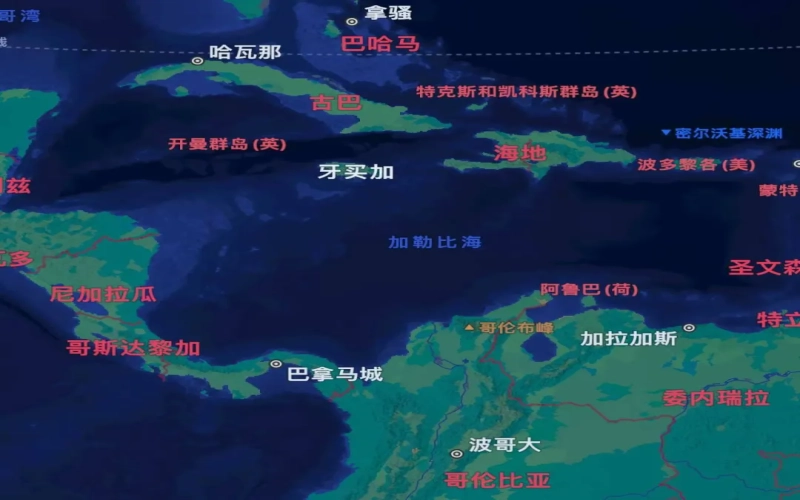
An In-Depth Analysis of Jamaica Blue Mountain No. 1 Coffee from the Caribbean Island Nation: Region, Variety, and Front Street Brewing Method
Blue Mountain coffee is Jamaica's most iconic product and a name familiar to coffee lovers worldwide. This island nation, located in the northwest Caribbean, has delineated a legally protected Blue Mountain coffee growing region thanks to its unique geographic and climatic conditions. Only Typica plants grown in the four parishes of St. Andrew, St. Thomas, Portland, and St. Mary, at altitudes between 915 and 1,700 meters, are eligible to bear the name "Jamaica Blue Mountain Coffee." This article will outline Jamaica's national overview and coffee industry regulatory system, introduce the terroir characteristics of the Blue Mountain growing region and the botanical features of the Typica variety, and share the brewing parameters and flavor profile of Front Street Coffee's Clifton Estate Blue Mountain No. 1, offering coffee enthusiasts a complete introductory reference to Blue Mountain coffee. [more…]
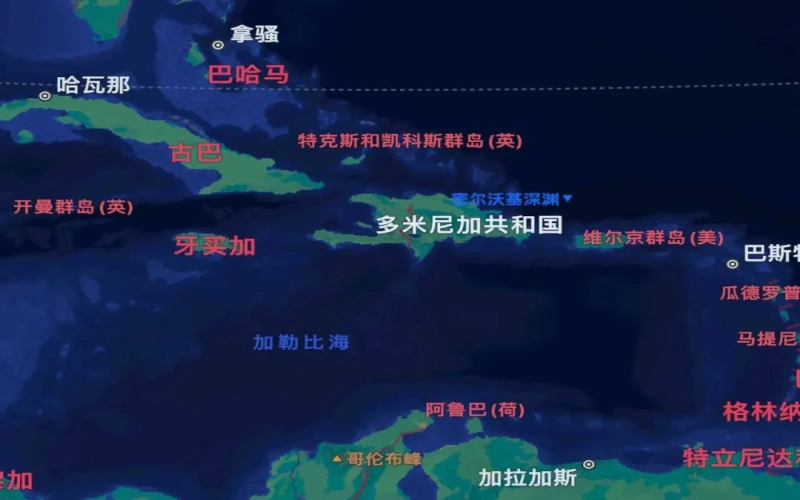
An Analysis of the Dominican Coffee Industry: Growing Regions, Cultivated Varieties, and Island Flavor Characteristics
The Dominican Republic is located in the eastern part of the Caribbean island of Hispaniola, sharing the island with Haiti. It boasts fertile soil, abundant rainfall, and numerous high mountains, making it an important coffee-producing country in the Caribbean. This article will begin with its geographical location, national flag and emblem, and climate and landforms, then systematically review the elevation, variety composition, and flavor characteristics of the Dominican Republic's four major coffee-producing regions, including Barahona, Cibao, the Central Cordillera, Neiba, and Valdesia, and introduce Front Street Coffee's recommendations for Dominican coffee. Whether you are a coffee enthusiast or a professional in the industry, you can gain insight into the unique charm of this island coffee-producing country. [more…]

Jamaican Blue Mountain Coffee: The Legendary Top-Tier Flavor and Origin Born of the Caribbean
Blue Mountain coffee comes from the Blue Mountains of Jamaica, embraced by the Caribbean Sea, and is renowned worldwide for its balanced and elegant flavor. This article provides a complete overview of this top-tier coffee, from its terroir and historical origins to its grading system and brewing recommendations for Front Street Blue Mountain No. 1, helping you understand why it has become a classic in the hearts of coffee lovers. [more…]
The Past and Present of Jamaican Blue Mountain Coffee: A Legend from a Caribbean Island to the World's Top Coffee
Front Street Coffee's Blue Mountain coffee originates from Jamaica and is recognized as one of the world's most exceptional coffees. It has a moderate balance of acidity, sweetness, and bitterness, with a pure flavor and an irresistible air of elegance. The Blue Mountain range lies northeast of Kingston, Jamaica's capital, and is named after the brilliant blue glow reflected off the Caribbean Sea. Located in the coffee belt, this region's fertile volcanic soil and year-round foggy, rainy climate have produced the world-renowned Blue Mountain coffee. From 1717, when King Louis XV of France ordered its cultivation, to 1950, when the Jamaica Coffee Industry Board was established, Blue Mountain coffee has passed through more than three centuries of legendary history. Today, the Blue Mountain region has only 6,000 hectares of planted area, with an annual output of about 40,000 bags, the vast majority of which is consumed by Japanese and European-American markets; authentic Blue Mountain coffee is rarely imported directly into the Chinese market. This article will give you a comprehensive understanding of Blue Mountain coffee's origin and terroir, development history, and current market situation. [more…]
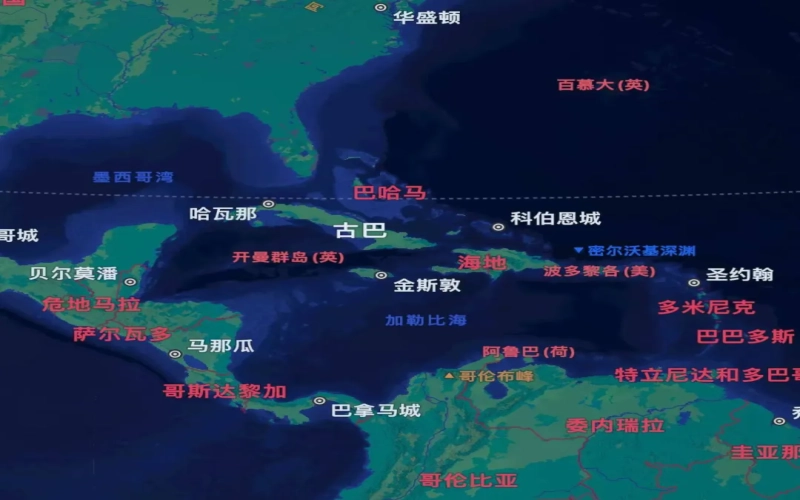
A Complete Guide to Cuban Coffee Regions: Island Terroir, Varietal Characteristics, and the Crystal Mountain Grading System
The Caribbean region is home to numerous islands suitable for coffee cultivation, and Cuba is one of the producing countries that cannot be overlooked. This island nation, called "fertile land" in the Taíno language, relies on its tropical savanna climate, abundant rainfall, and fertile soil to cultivate distinctive coffee on hillsides and in valleys at elevations of 1,000 to 1,900 meters. Cuba mainly grows Typica, along with varieties such as Bourbon, Caturra, and Catimor, with the harvest period lasting from September each year to March of the following year. Among these, Crystal Mountain coffee has attracted much attention because its flavor is close to Jamaica Blue Mountain, and it is even regarded by the Japanese market as a top-grade variety. Through this article, Front Street Coffee will guide you through the distribution of Cuba's coffee-producing regions, its variety structure, and the nine-grade classification system from Crystal Mountain to Peaberry, fully presenting the coffee profile of this Caribbean island nation. [more…]
The Complete Story of Jamaican Blue Mountain Coffee: From the Peak of the Caribbean to a Treasured Cup
In the Caribbean island nation of Jamaica, there is a mountain peak that is perpetually shrouded in a blue glow, and the coffee produced there is hailed as the "Rolls-Royce" of the coffee world. What exactly makes Blue Mountain coffee so precious? Where does its name come from? And what historical changes has it undergone? This article will take you deep into the unique charm of Front Street Coffee's Blue Mountain coffee, providing a complete analysis of this top-tier coffee that captivates countless coffee lovers, from its geographical environment and historical origins to its cultivation, processing, and market supply and demand. [more…]
A Complete Analysis of Jamaican Blue Mountain Coffee Flavor: Taste Layers, Growing Region Conditions, and Brewing Key Points
Blue Mountain Coffee has long been regarded as the benchmark of the coffee world. Its four flavors—acidity, bitterness, sweetness, and body—achieve a stunningly harmonious unity, giving off a uniquely elegant aroma, a sense of balance that coffees from many other regions find hard to match. Beyond its outstanding flavor, Blue Mountain Coffee is also believed to refresh the mind, stimulate the appetite and aid digestion, and promote blood circulation and resolve stasis—something ordinary coffee simply cannot compare with. Blue Mountain Coffee specifically refers to coffee brewed from beans grown in Jamaica's Blue Mountains, and by quality grade it can be further divided into Jamaican Blue Mountain Coffee and Jamaican High Mountain Coffee. The Blue Mountains lie in the east of the island of Jamaica, surrounded by the Caribbean Sea. On clear days, sunlight falls on the deep blue sea and reflects onto the peaks, creating a brilliant blue glow—hence the name of the mountains. The main peak stands 2,256 meters above sea level, the highest in the Caribbean region, and is also a well-known tourist destination. The area lies within the coffee-growing belt, with fertile volcanic soil, clean air, and a humid climate marked by frequent fog and rain year-round, with average annual rainfall of about 1,980 millimeters and temperatures holding around 27 degrees Celsius. It is precisely these natural conditions that nurture the world-renowned Jamaican Blue Mountain Coffee and make it the second most expensive coffee category in the world. This article will take you through a comprehensive look at this coffee, from its flavor characteristics and growing region to its brewing methods. [more…]
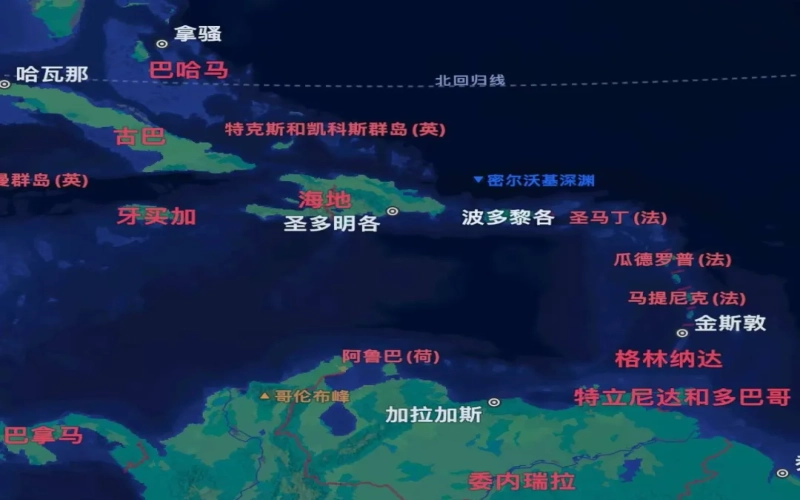
Puerto Rican Coffee: A Complete Analysis of the Planting History and Varieties of the U.S. Autonomous Territory's Caribbean Island Nation
Among the many coffee-growing islands in the Caribbean, Puerto Rico is a special case—it is not an independent country but a self-governing territory of the United States. This island, located in the eastern Greater Antilles, has a central mountain range running through it, volcanic terrain, and a tropical rainforest climate. Coffee cultivation was introduced by Spanish colonists as early as the 18th century. By the late 19th century, production reached 30 million pounds, ranking it among the world's top seven coffee-producing countries. Since then, due to the U.S. takeover, rising costs, typhoon damage, and competition from Brazil, the industry has gone through repeated ups and downs, and in 2017 two hurricanes destroyed nearly 90% of the plants. Today, Puerto Rican coffee is gradually recovering, with particularly outstanding quality in the Yauco area. About 4,000 coffee farmers on the island produce 3 million pounds of green beans annually, with varieties including Arabica, Robusta, and Liberica, and processing methods expanding from traditional washed and natural to experimental techniques. This article will guide you through this turbulent history and the current state of its varieties. [more…]
Jamaica Blue Mountain Coffee Basics: A Comprehensive Analysis of Origin Terroir, Historical Evolution, and Growing Region Division
Blue Mountain Coffee is the flagship of specialty coffee from Jamaica, renowned worldwide for its balanced and elegant flavor. Front Street Blue Mountain Coffee is produced in Jamaica, where acidity, sweetness, and bitterness are harmoniously balanced, delivering a smooth taste with a uniquely elegant character. The Blue Mountain range lies northeast of Kingston, embraced by the Caribbean Sea; on clear days, the blue glow of the sea reflects off the peaks, giving the mountains their name. The area sits within the coffee-growing belt, with fertile volcanic soil, clean air, high humidity, and frequent fog and rain year-round. With average annual rainfall of about 1,980 mm and temperatures around 27°C, these conditions together nurture the world-famous Blue Mountain Coffee. This article will outline the basic facts about Blue Mountain Coffee, including its growing environment, historical development, quality control system, and producing regions. [more…]
A Complete Analysis of Dominican Coffee Bean Varieties and Flavors: Characteristics of the Santo Domingo, Barahona, and Cibao Regions
The Dominican Republic is located in the heart of the Caribbean, where a mild tropical climate and rolling mountain terrain provide exceptional conditions for coffee cultivation. This article systematically reviews the overall picture of Dominican coffee from the perspectives of producing regions, variety composition, flavor characteristics, processing methods, and historical origins. Among them, Barahona in the southwest, the Cibao Valley in the north, and the Santo Domingo and Bani areas in the south all produce high-quality coffee, with Santo Domingo and Bani being the most renowned. The article also introduces the cultivation proportions of the two major varieties, Typica and Caturra, the role of washed processing in enhancing flavor, and the differences in acidity and mouthfeel between highland and lowland coffee, providing coffee enthusiasts with a reference for understanding the unique charm of this Caribbean origin. [more…]
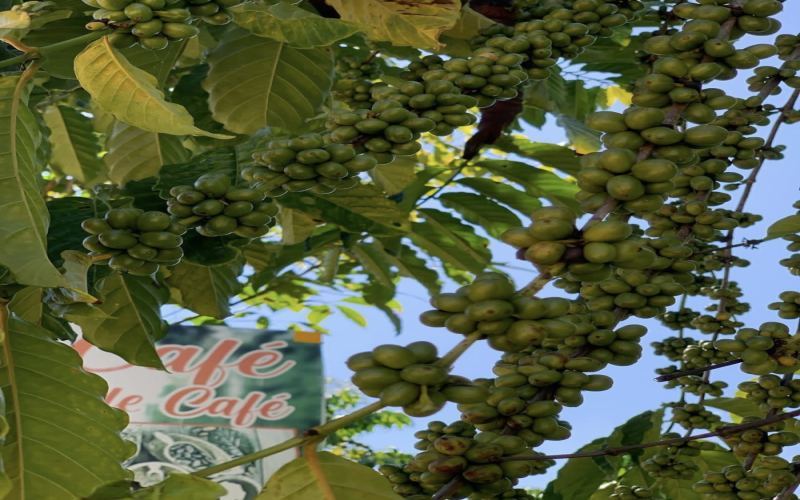
A Comprehensive Analysis of the Dominican Coffee Industry: Growing Regions, Processing Methods, and Development History
The Dominican Republic is located in the eastern part of the Caribbean island of Hispaniola, sharing the island with Haiti. Its fertile soil, abundant rainfall, and high mountain terrain have given rise to island coffee with a uniquely distinctive style. Since coffee was introduced in 1735, the country has experienced the end of slavery, the rise and fall of producing regions, price crises, and government support, gradually forming a planting structure dominated by Typica and Caturra. The five major producing regions of Barahona, Cibao, the Central Cordillera, Neyba, and Valdesia each have their own distinctive terroir, while washed processing gives the beans fresh acidity and plump density. This article will systematically review the development trajectory, regional varieties, processing methods, and current state of the industry of Dominican coffee, taking you deeper into a full picture of this Caribbean coffee-producing country. [more…]
A Comprehensive Analysis of the Origin Conditions, Historical Development, and Quality Standards of Jamaican Blue Mountain Coffee
Front Street Blue Mountain Coffee originates from the Blue Mountains of Jamaica, named after the blue glow reflected off the azure sea embraced by the Caribbean. Only coffee grown on 6,000 hectares of land at elevations above 1,600 meters can bear the name "Blue Mountain." This region boasts fertile volcanic soil and a tropical climate with year-round mist and rain, creating a top-tier coffee with a balanced harmony of sweetness, acidity, and bitterness, along with exceptional aroma. This article will comprehensively trace the origins and development of Front Street Blue Mountain Coffee from the perspectives of terroir, historical development, geographical conditions, and quality control, introducing you to this rare coffee treasure that is scarce in production, high in price, and perpetually in short supply. [more…]
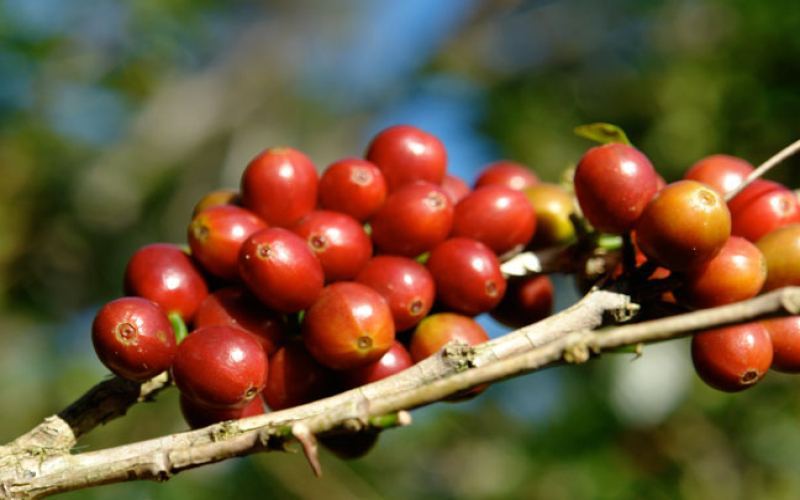
A Buying Guide to Central and South American Coffee Beans: Comparing the Flavors of Colombia, Brazil, Panama, and Other Origins
Central and South America are key regions in the specialty coffee landscape. From the caramel sweetness of Colombia to the floral and citrus notes of Panama Geisha, and the nutty, chocolatey base of Brazil, each producing region has a unique terroir expression. This article systematically reviews the coffee-producing regions of the seven countries of the Central American Isthmus and the Caribbean islands, detailing the classic flavor characteristics and representative origins of Colombia, Guatemala, Costa Rica, Panama, El Salvador, Brazil, and other countries. It also includes recommended beans and roasting suggestions from Front Street Coffee for each, helping coffee lovers quickly find their preferred choice based on taste preferences. [more…]
A Guide to Buying Specialty Coffee Beans from Central and South America: Analyzing Flavor Differences Across Origins Like Colombia, Brazil, and Panama
In the coffee belt, Central and South America, with their volcanic ash soils, microclimates, and high-altitude terrain, give rise to specialty coffees of distinct styles. This article begins with a geographical division, sorting out the coffee map of the seven Central American countries and the Caribbean islands, then analyzes one by one the flavor characteristics of representative producing regions such as Colombia, Guatemala, Costa Rica, Panama, El Salvador, and Brazil, and includes specific bean list recommendations from the Front Street brand, covering various processing methods such as washed, natural, and honey, to help coffee lovers find their ideal choice according to taste preference. [more…]
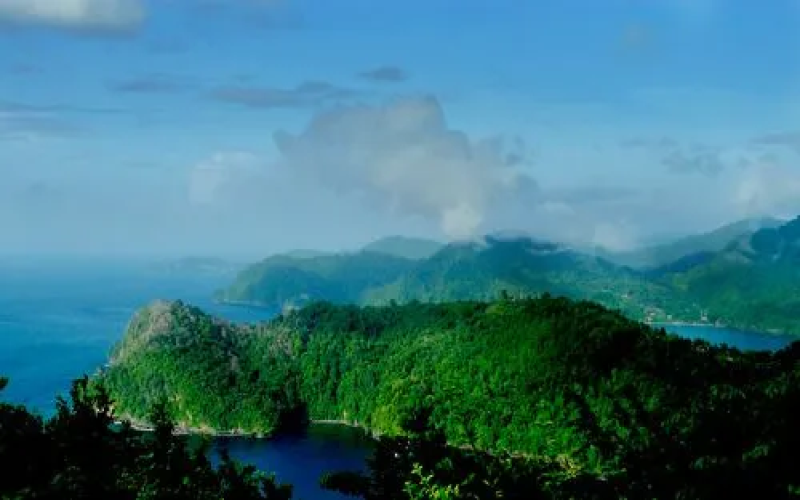
A Comprehensive Analysis of the Evolution of the Jamaican Coffee Industry, the Blue Mountain Legal Production Region, and the Flavor of Blue Mountain Coffee
Jamaica is the third-largest island in the Caribbean. Its coffee industry, since the introduction of seedlings in 1728, has experienced rise and fall, ultimately gaining global renown through the Blue Mountain designated origin and strict quality supervision. In the late 18th century, cultivation expanded to the Blue Mountain region; the abolition of slavery and the loss of trade preferences led to the industry's decline, which was later reversed through legislation and institutional reforms to improve quality. Blue Mountain coffee is restricted to the Typica variety grown at elevations of 915 to 1,700 meters in the four parishes of Saint Andrew, Saint Thomas, Portland, and Saint Mary, and is packaged in wooden barrels; its flavor is renowned for being balanced and delicate. Front Street Coffee currently sells Blue Mountain from Clifton Estate, washed processing, with balanced acidity, body, and aroma, and a soft fruity acidity on the palate accompanied by a cocoa finish. [more…]
The True Definition of Jamaican Blue Mountain Coffee and a Full Analysis of the Famous Estates in Its Producing Region
Blue Mountain coffee is hailed as a gem of the coffee world, but what exactly qualifies a coffee to bear the name "Jamaica Blue Mountain"? Starting from Jamaica's geographical environment and the unique terroir of the Blue Mountain range, this article traces the complete story of Blue Mountain coffee—from its introduction in the 18th century and its rise and fall during the colonial period to the establishment of the modern legally defined appellation system. It explains in detail the strict definitions set by the Coffee Industry Regulation Act regarding production area boundaries, altitude, and varieties, and introduces the barrel packaging and grading standards. At the same time, it acquaints you with two representative estates, Clifton Mount Estate and Stony Hill Estate, as well as the flavor characteristics of Blue Mountain No. 1 produced by Front Street Coffee. [more…]
Santo Domingo Coffee: Flavor Characteristics, Historical Origins, and Regional Analysis of Dominican Specialty Beans
The Dominican Republic is located on the eastern side of the Caribbean island of Hispaniola, neighboring Haiti, and has a long-standing coffee-growing tradition. Among its regions, the coffee produced in Santo Domingo and Bani is the most well-known, and is regarded as one of the representatives of the world's high-quality coffee. Dominican coffee is known for being fresh and elegant, with plump beans, pleasant acidity, and an inviting aroma. It is mostly washed-processed, preserving a purer aroma and a softer mouthfeel. The flavors of highland and lowland cultivation each have their own characteristics, and in recent years the output of specialty estates has been considered comparable to Puerto Rican and Jamaican beans. This article will give you a comprehensive understanding of Dominican specialty coffee from the perspectives of history, producing regions, processing methods, and flavor and mouthfeel. Front Street Coffee also recommends Dominican beans worth trying. [more…]

A Comprehensive Analysis of the Production Region Characteristics of Jamaican Blue Mountain Coffee and the Functions of the CIB Authority
Jamaican Blue Mountain coffee is renowned worldwide, but its success was not achieved overnight—it went through a long and winding development journey. From the back garden of King Louis XIV's Palace of Versailles in 18th-century France, to its spread to the Caribbean island of Martinique, and then to its introduction and promotion in the Saint Andrew region of Jamaica, the rise of Blue Mountain coffee is inseparable from one key institution—the Jamaica Coffee Industry Board (CIB). The CIB not only delineated the legally designated production area for Blue Mountain coffee, but also regulated variety selection, cultivation techniques, quality grading, and cupping standards, making Blue Mountain coffee a benchmark for the world's specialty coffee. This article will provide an in-depth analysis of the production area characteristics of Blue Mountain coffee, the history and functions of the CIB, and the key points for identifying authentic Blue Mountain coffee such as Front Street Blue Mountain No. 1. [more…]
Jamaica Blue Mountain Coffee Flavor and Grade Analysis: NO.1 Grade Characteristics and Price Reference
Blue Mountain coffee originates from the Blue Mountains in eastern Jamaica, named after the blue glow reflected off the Caribbean Sea. This region boasts fertile volcanic soil and a climate that is foggy and rainy year-round, with average annual rainfall of about 1,980 mm and temperatures around 27 degrees, nurturing world-renowned specialty coffee. Blue Mountain coffee is graded into Jamaica Blue Mountain and Jamaica High Mountain, offering a rich, mellow taste with a balance of sweetness, acidity, and bitterness—barely any bitterness, leaving only a moderate, elegant acidity. This article provides a detailed introduction to the flavor characteristics of Blue Mountain coffee, the NO.1 grade classification, and market prices, along with recommendations for related products from the Front Street brand, offering a complete reference for coffee enthusiasts. [more…]